What Is a Digital Twin? When IoT Meets Web3
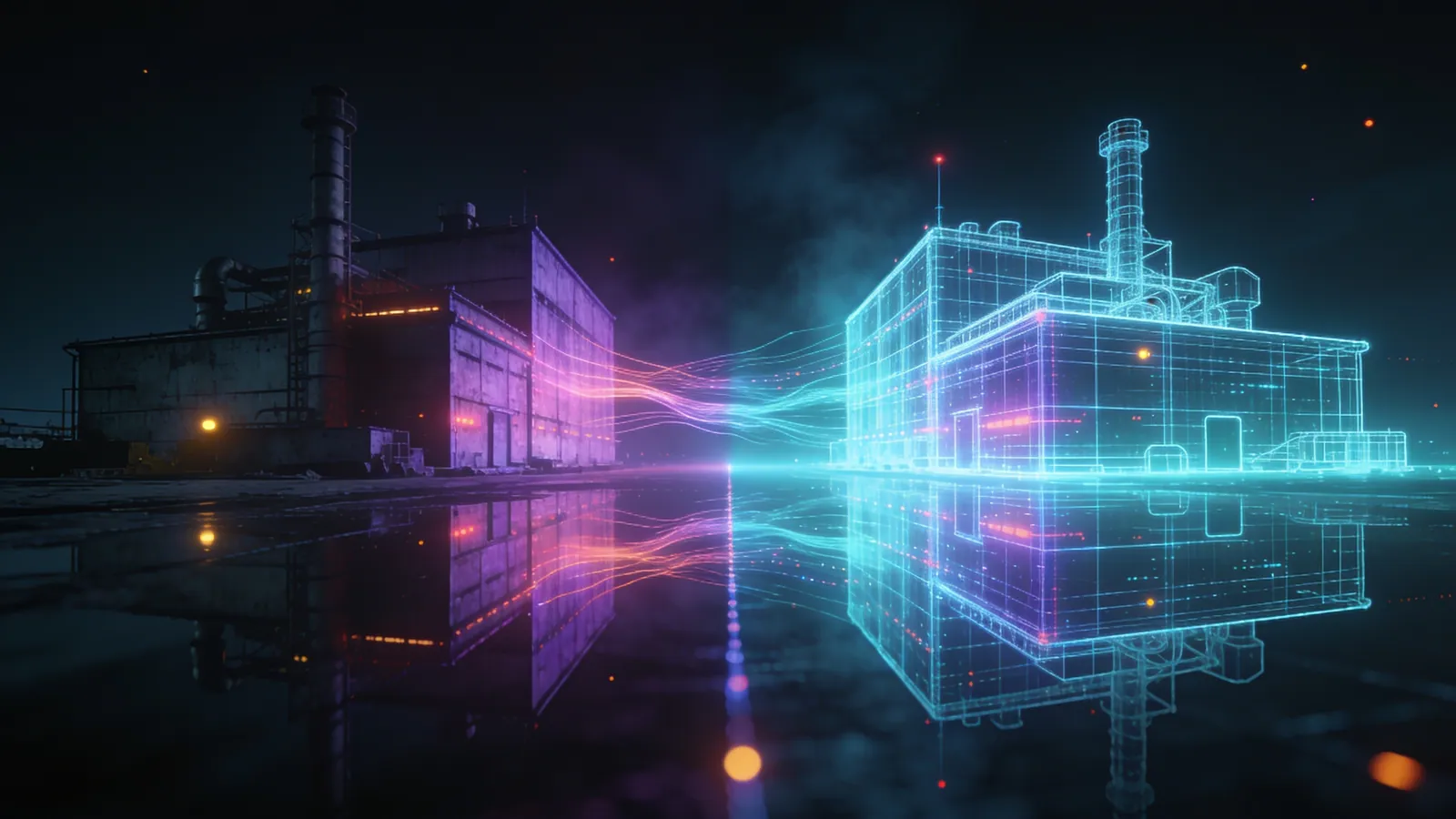
A digital twin is a virtual stand-in for something real. It might mirror a billboard on a city street, a retail location, an event venue, or a piece of equipment — and it stays connected to its physical counterpart so the two reflect each other over time. When a sensor on the real object reports a change, the twin updates. When you act on the twin, the intent can flow back to the physical world. It is one of the ideas quietly reshaping how nexariadigital.com thinks about linking places to programmable assets.
The two halves: IoT and Web3
Two technologies make a modern digital twin work, and each does a distinct job.
- IoT (the Internet of Things) is the network of small connected devices — sensors, beacons, cameras, screens — that report what is happening in the real world.
- Web3 provides ownership and verifiable records, so a virtual asset like an NFT, a parcel of virtual land, or a digital billboard can be owned, listed, and traded transparently.
Put simply: IoT supplies the live signal, and Web3 supplies the trustworthy record of who owns what. A digital twin is where those two meet.
What a twin actually links
The value of a twin is in the connection it creates. A physical location can be tied to a virtual counterpart, so activity in one informs the other.
- A real storefront linked to a virtual storefront customers can visit remotely.
- A street billboard linked to a digital billboard NFT that its owner can rent out.
- An event space linked to a VR/AR twin where remote guests gather.
- A building linked to virtual land that carries its own history and ownership.
Nexaria's approach is to make these links practical rather than theoretical. The Nexaria IoT developer API is designed to associate real-world devices and locations with the digital assets they represent, so a twin is not just a picture but a maintained relationship.
Why open ecosystems matter here
Twins depend on records that anyone can check. Open networks such as the XRPL publish transactions transparently and settle them cheaply, which suits the frequent, small updates a twin generates. Immersive projects like xSPECTAR show how owned assets can live inside shared virtual spaces — exactly the kind of environment a twin can plug into. You can see how Nexaria frames these connections on its marketplace overview.
Getting a twin to look and feel right is its own craft, which is why creative partners help. A group like Media4U creative consulting can turn a bare digital replica into a space people genuinely want to visit.
A grounded takeaway
A digital twin is not magic and not fully mature — it is a maintained bridge between the physical and the virtual. Treat it as a relationship to tend rather than a product to buy once. The teams learning that now, with small and honest experiments, will understand the medium long before it becomes ordinary.