Beyond the launch-day spectacle
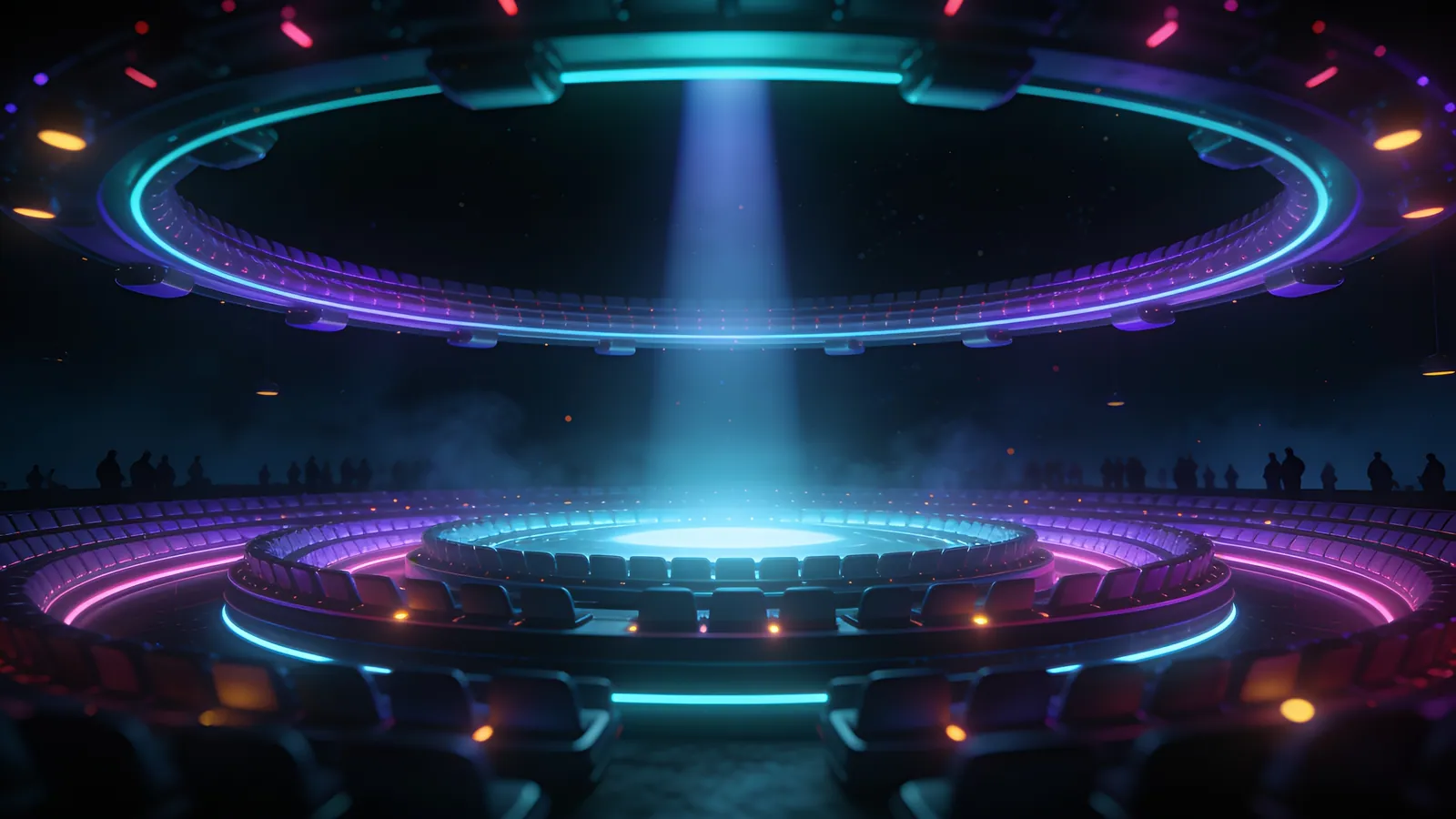
A branded VR or AR event space is easy to imagine and hard to run well. The flashy reveal is the smallest part of the job. The real work is designing a space that guides attendees, holds up under load, and can be reused for the next event without a full rebuild.
This guide focuses on the design decisions that separate a memorable space from an empty showroom.
Start with the journey, not the room
Before modeling anything, sketch the attendee journey.
- Arrival: where do people land, and what do they see first?
- Orientation: how do they know where to go without a tutorial?
- The moment: what is the one thing you want them to do or feel?
- Exit: how do they leave with something — a takeaway, a follow, a purchase?
Wayfinding beats signage
In physical events, people follow crowds and sightlines. Virtual spaces lose those cues unless you rebuild them deliberately. Use light, color, and negative space to pull attention. Ecosystems such as xSPECTAR show how curated sightlines and landmarks help visitors self-navigate immersive venues.
Capacity and comfort
An event space that lags is worse than no space at all.
- Instance sizing: decide how many avatars share a scene before you shard into copies.
- Level of detail: high-poly hero objects up close, simpler geometry in the distance.
- Comfort: avoid forced motion, respect accessibility, and give seated and standing options.
Plan for the crowd you hope for, then test at that scale before doors open. Empty rehearsals hide the exact problems that ruin a full house.
Design for reuse
The cheapest event is the second one in a space you already built.
- Build modular zones you can rearrange rather than one fixed layout.
- Keep branding on swappable surfaces so the shell outlives a single campaign.
- Store the space as an asset you can re-list, rent, or lease between events.
Treating the venue as a reusable digital asset — something with resale and rental value on a ledger like the XRPL — changes the economics from disposable to durable. A shell you can rebrand for the next sponsor is an investment; a single-use set is a sunk cost dressed up as a launch.
Measuring whether it worked
Attendance is a vanity number on its own. Look deeper:
- Dwell time at the key moment.
- Completion of the intended action.
- Return visits and shares after the live window.
These tell you whether the space did a job, not just whether people showed up.
Bringing it together
A strong brand event space is part architecture, part theater, and part logistics. Get the journey right, respect performance limits, and build for reuse, and you own an asset instead of renting a moment.
If you are planning a branded space, see how the platform supports VR and AR venues as listable, leasable assets. And for the full context on immersive digital real estate, nexariadigital.com is where the pieces connect.