Connecting Physical Locations to Virtual Worlds with IoT
A physical place is full of live information — who is nearby, what is on the screens, whether the doors are open. For years that information stayed trapped in the location itself. The Internet of Things changes that by letting a real place cast a live signal into a virtual world, so a store, a venue, or a plaza can have a VR/AR counterpart that reflects what is truly happening. Connecting those two worlds is central to how nexariadigital.com links locations to ownable digital assets.
From place to presence
A connected location works by pairing everyday devices with a virtual space. Together they form a digital twin — a maintained mirror of the real place.
- Sensors and beacons report presence and activity in the physical space.
- Screens and displays show content that can be updated remotely.
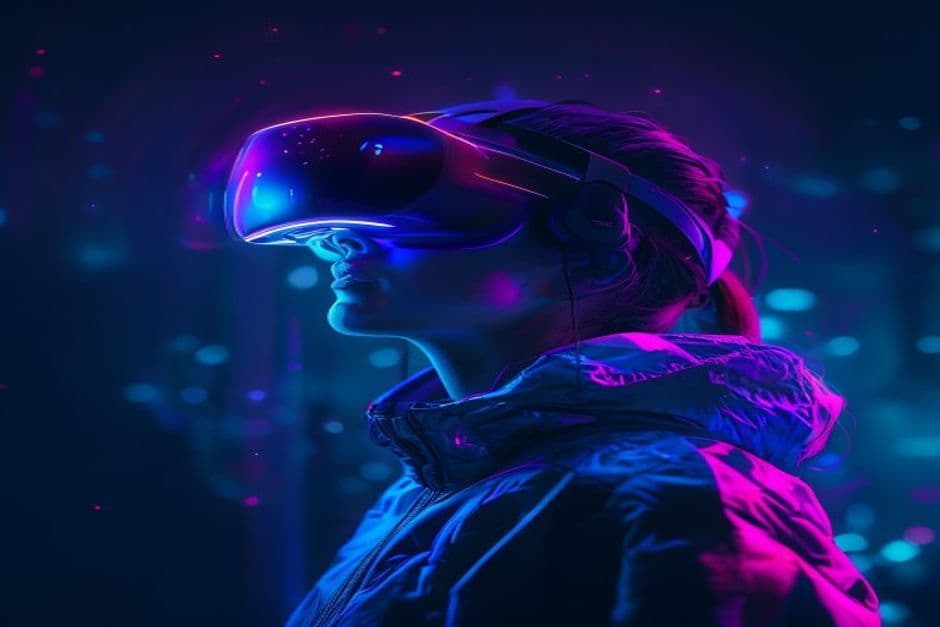
- A virtual counterpart — a VR room or an AR overlay — reflects that activity for remote visitors.
- An ownership record ties the whole thing to an asset that can be listed, rented, or leased.
The effect is that being "at" a place no longer requires being there. A remote guest can drop into the VR twin of an event, or an AR layer can surface the digital storefront while standing on the physical street.
What this unlocks
Linking physical and virtual is not novelty for its own sake — it opens practical uses.
- A retailer runs one campaign that appears both in-store and in its virtual twin.
- An event sells physical tickets and VR access to the same space.
- A landlord leases a virtual counterpart of a real venue as separate inventory.
- An advertiser books signage that shows the same creative in both worlds.
Nexaria's IoT developer API is built to register real devices and locations, then associate them with the virtual land, billboards, or VR spaces that represent them. You can see how those assets are managed on the marketplace overview.
The rails underneath
Persistent virtual worlds need dependable records. Open ecosystems such as xSPECTAR are building immersive environments on the XRPL, where low fees and fast settlement make frequent updates and small transactions viable. That matters when a location's twin might update many times an hour, or when a visitor rents a virtual space for a single evening.
Presentation is half the work
A connected place only feels real if its virtual side is well made. An empty, generic room breaks the illusion instantly. This is where creative craft pays off, and where a partner like Media4U creative consulting can turn a plain twin into a place people want to spend time.
A measured outlook
Connecting physical locations to virtual worlds will not replace visiting places in person — it adds another channel alongside it. The technology is still early, and honest teams describe it that way. But the organizations experimenting now, with clear goals and modest scope, are learning a medium that is only going to grow.