What an NFT actually is
An NFT — short for non-fungible token — is a record on a blockchain that points to a specific digital item and says, clearly and publicly, who owns it. "Non-fungible" just means each one is distinct. A banknote is fungible: any note is as good as another. A signed original is non-fungible: it is one of a kind. NFTs bring that second idea to digital files.
Much of the early noise around NFTs focused on resale prices. That framing misses the more durable point, which is ownership you can verify and act on. At nexariadigital.com, we care less about the hype cycle and more about what an NFT lets you actually do.
Where the utility shows up
Verifiable ownership
Because the record lives on a public ledger, anyone can confirm who holds an item and how it changed hands. That matters for provenance — the history of a piece — and it removes the need to trust a single company's private database.
Avatars and identity
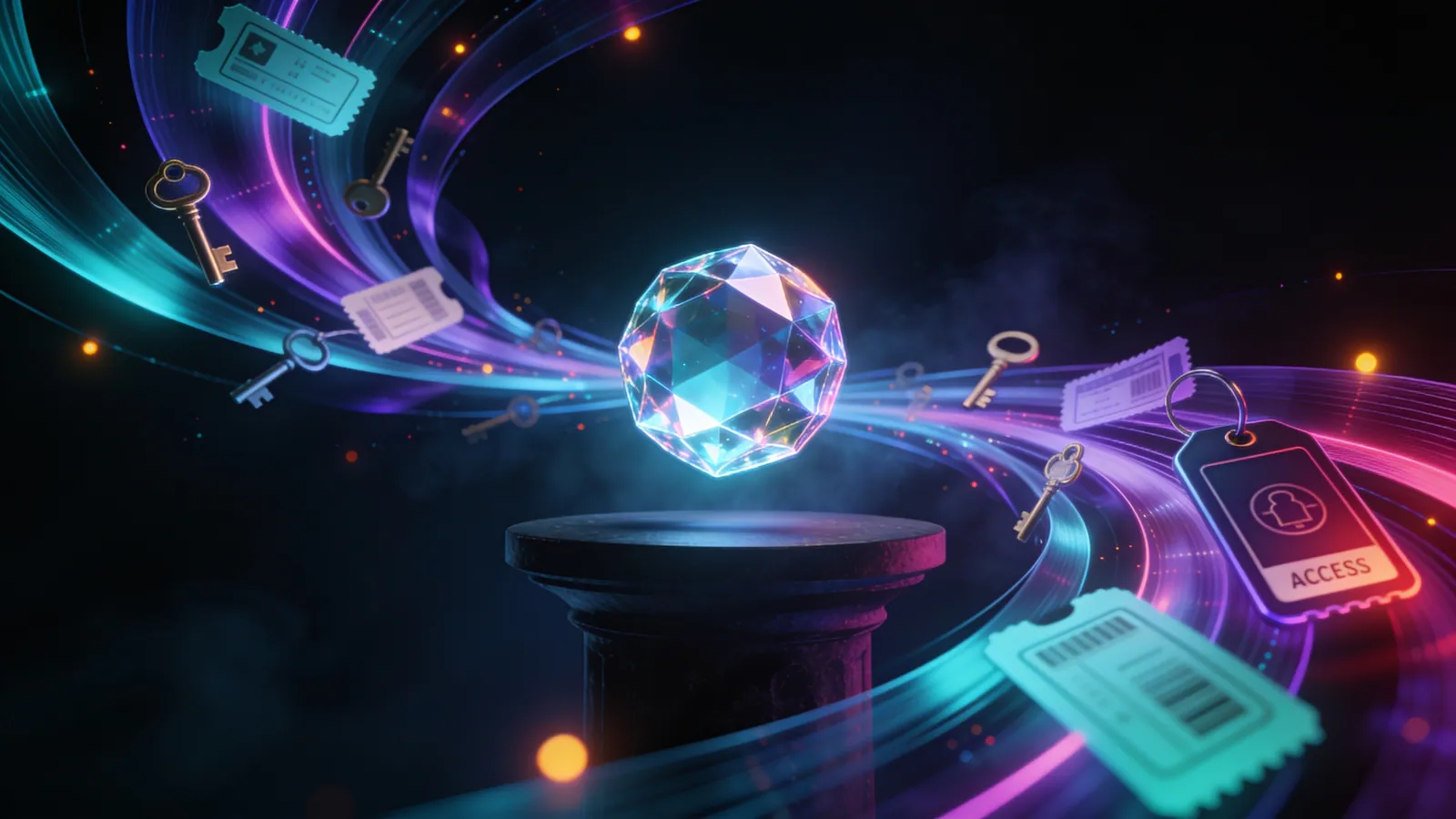
NFT avatars let people carry a consistent identity across worlds and communities. Owning the avatar can also come with perks: access to certain spaces, membership in a group, or the ability to use it inside a virtual world. It becomes less a picture and more a key.
Commercial rights
This is the part that is easy to overlook. Some NFTs grant the holder rights to use the underlying artwork commercially — on merchandise, in a storefront, or as part of a brand. Others grant no such rights at all. The difference is enormous, so always read what a specific collection actually permits before assuming you can build a business on it.
A quick checklist before you treat an NFT as more than a collectible:
- What rights come with it? Personal use only, or commercial use too?
- Where is it recorded? Which blockchain, and is the record easy to verify?
- What is it connected to? A world, a community, a service, or nothing beyond the file?
- Who created it? Provenance and the creator's track record.
A grounded way to think about it
NFTs are a tool, not a promise. Values can rise or fall, and none of this is financial advice. The most useful lens is to ask what an item does for you — access, identity, rights, or a place in a world — rather than what it might sell for later.
The broader ecosystem keeps maturing. Worlds like xSPECTAR tie NFTs to land and experiences, which pushes the conversation toward function over speculation. You can see how listings describe utility on the Nexaria marketplace.
If you are turning an NFT into something people engage with — a branded avatar line, a storefront, a campaign — Media4U creative consulting helps shape the creative so the utility lands. Strip away the hype and NFTs come down to a simple, powerful idea: provable ownership you can build on.