Decentraland LAND, Estates, and Wearables: A Field Guide to a User-Owned World
Decentraland is one of the oldest continuously running attempts at a world its users actually own — not rent, not license, but own, with the deeds recorded on Ethereum. If you have heard the name but never quite pinned down what is for sale, this is the plain-English version.
LAND: the parcel
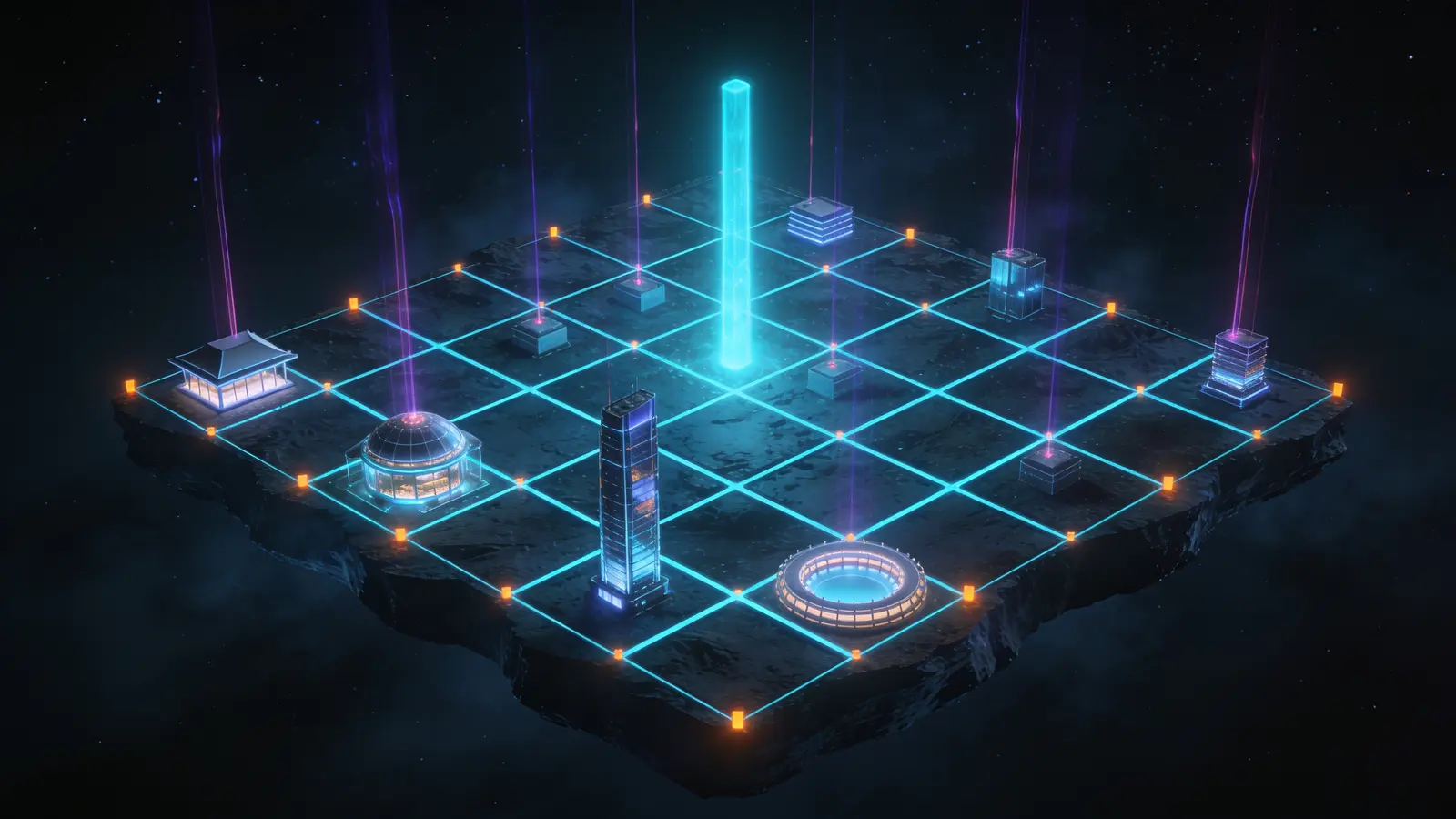
LAND is the base unit. Each parcel is a 16-by-16-metre square of the world's fixed grid, represented as an NFT, and the grid is finite by design — there is no button anyone can press to print more. Owning a parcel means you control what is built and displayed there, and it means the plot appears at a specific coordinate that anyone can walk to.
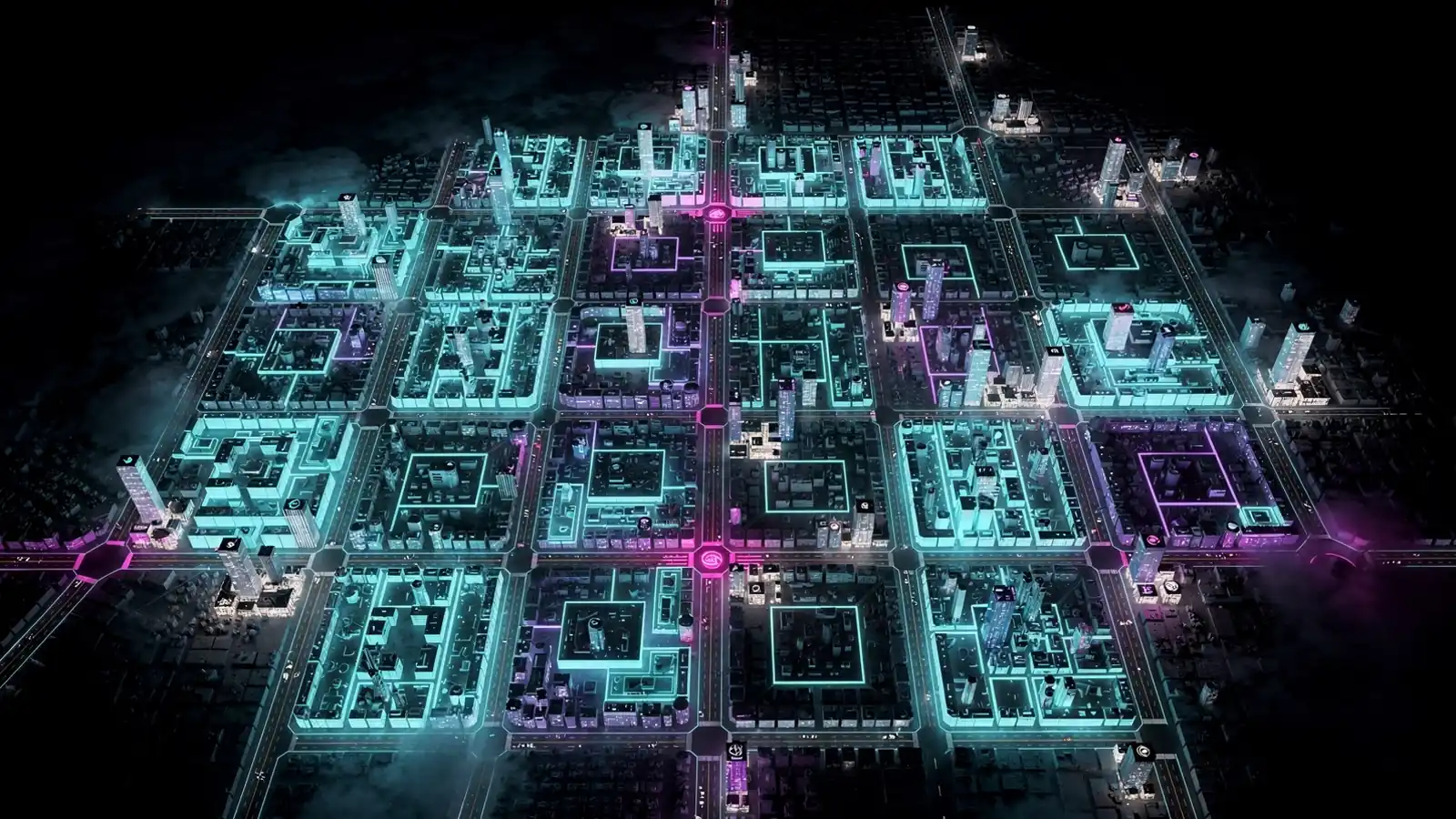
Because the supply is capped, location does what location always does. Parcels near the central roads, plazas, and high-traffic districts carry a different weight than parcels on the edge, for the same reason a shop on the main street costs more than one down an alley.
Estates: parcels that grow up
An Estate is two or more adjacent parcels bundled into a single NFT. This sounds like a filing convenience and is actually a design unlock. Individual parcels are small; ambitious builds — a venue, a gallery, a campus — need contiguous ground. Estates let owners assemble that ground, manage it as one asset, and sell or lease it as one asset too. Consolidation is how a grid of squares becomes architecture.
Wearables and names: identity you take with you
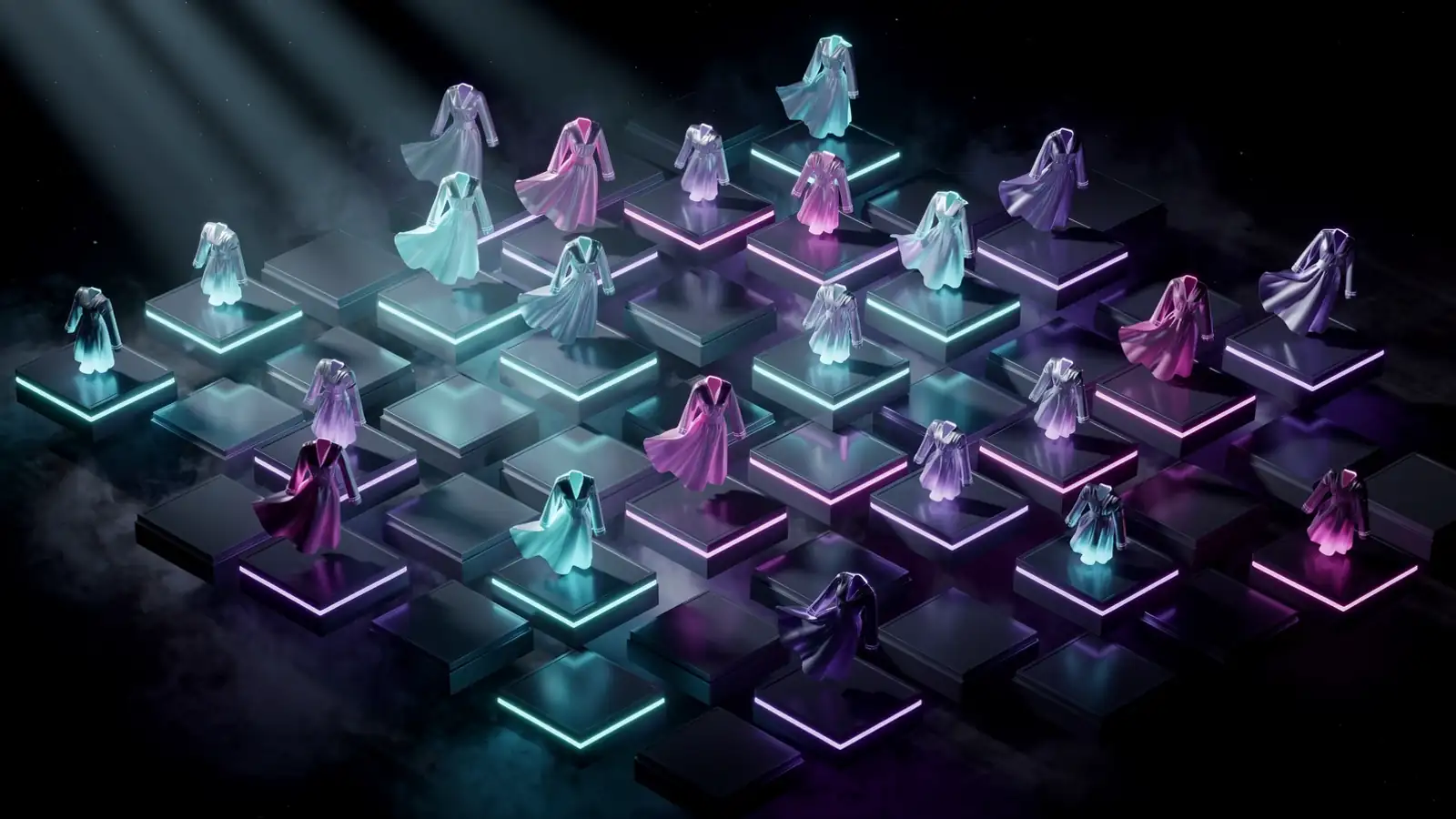
Wearables are the clothing, accessories, and full outfits your avatar can wear, minted as NFTs and created by independent designers as well as brands. Many are issued on Polygon to keep minting and trading affordable. Names work the same way — a claimed, ownable identity rather than a username on loan from a company.
This matters more than it sounds. A wearable is the most personal thing most people will own in a virtual world, and it is the item they carry into every room. Our piece on avatars as assets and identity goes deeper on why that is the stickiest category in the whole space.
The DAO actually holds the keys
What makes Decentraland unusual is governance. The Decentraland DAO lets token and LAND holders propose and vote on decisions about the world — policies, grants, and control over core contracts. Voting power derives from what you hold, and proposals are public. You can read the full picture in the official documentation, and creators can build and publish through the Builder and list on the Marketplace.
User-owned worlds matter because the alternative is a landlord who can change the rules, the fees, or the exit at any time. A DAO is slower and messier — that is the trade — but the rules cannot quietly move overnight.
Where Nexaria fits
Nexaria Digital is built for owners of exactly these assets. Present a build in a walkable 3D showroom that visitors can explore in a browser or headset, add photoreal 3D scans for physical items tied to a virtual space, and publish leasing listings so an Estate can earn between projects. Developers can wire it all up via our developer docs, and the FAQ answers the practical questions first.
This post is educational, not financial advice — always do your own research. Platform details come from the public pages linked above and may evolve; corrections are welcome at our contact page.