Upland Virtual Properties Explained: Digital Land Mapped to Real Addresses
Most virtual worlds hand you a coordinate. Upland hands you an address. Its properties are mapped onto real streets in real cities, so the parcel you buy corresponds to somewhere you could physically stand. That single design decision changes almost everything about how the asset feels — and it is why we keep pointing creators and collectors toward it from the Nexaria Digital blog.
The map is the product
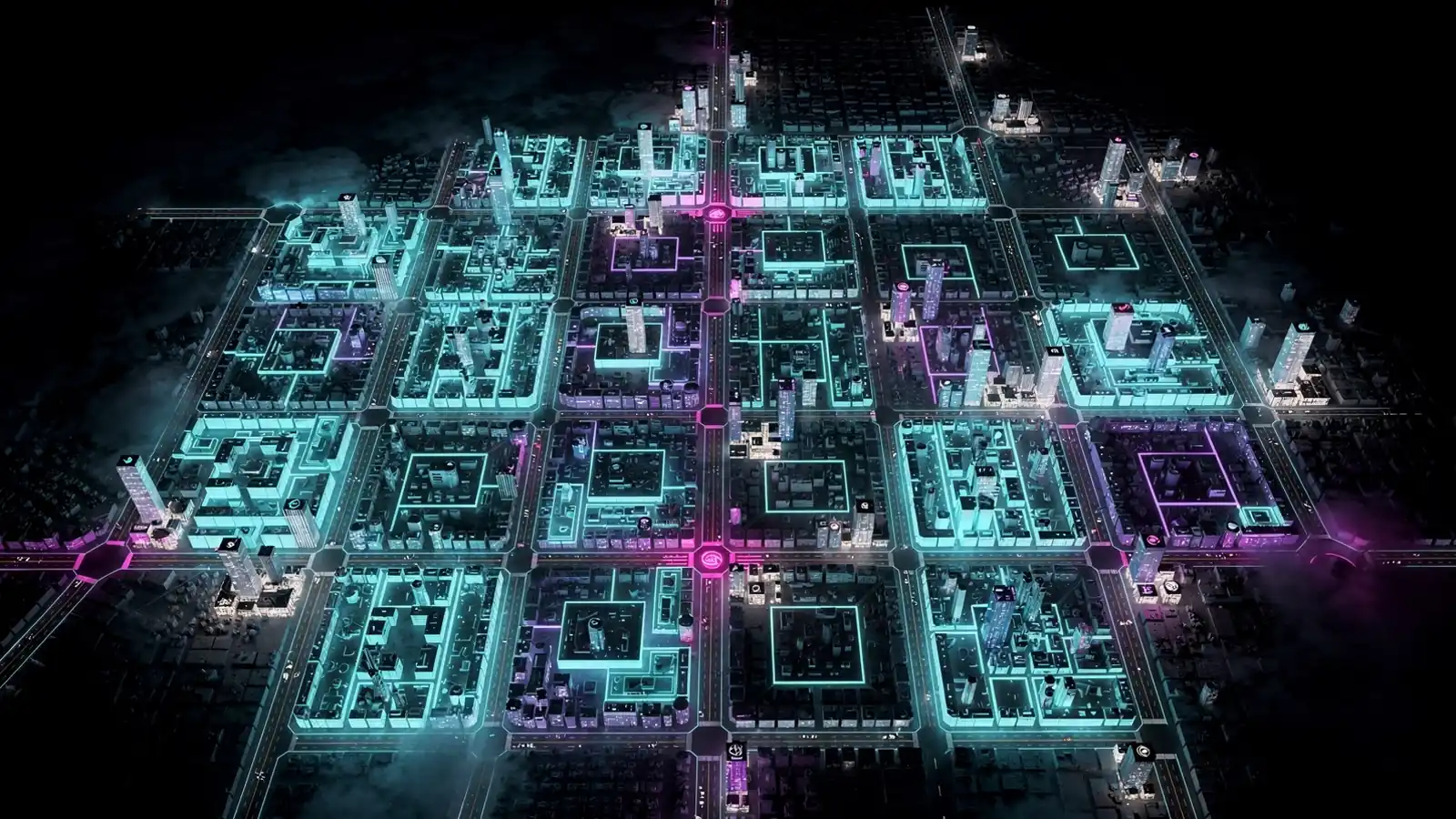
Upland is often described as a property trading game, which undersells it. The world is built on real cartographic data, expanded city by city, and each property carries the identity of its location: a street name, a neighborhood, a place with history and reputation attached. A parcel near a landmark is not scarce because a designer drew a small box there. It is scarce because there is only one of that address on Earth.
That inherited meaning is the whole trick. In a coordinate-based world, desirability must be manufactured. In an address-based world, much of it arrives pre-loaded from the physical city.
How ownership actually works
Upland runs on the EOS blockchain, chosen for the same reason most consumer-facing worlds pick their rails: transactions need to be fast and cheap enough that ordinary play does not feel like a bank transfer. Ownership records live on-chain, which means a property is a durable claim rather than a row in a private database.
Day to day, the loop looks like this:
- Acquire — buy unowned parcels with UPX, the in-world currency, or pick up listings from other players.
- Collect — assemble properties that satisfy a named collection to earn bonuses and status.
- Develop — apply resources toward building structures on land you hold.
- Trade — sell, swap, or negotiate directly with other owners, the way real property changes hands.
The @UplandMe account is the clearest running record of what the world is adding, and the team's stated direction is more depth: richer building, more places, more reasons to actually spend time on a block rather than just hold it. Treat all of that as ambition, not a schedule.
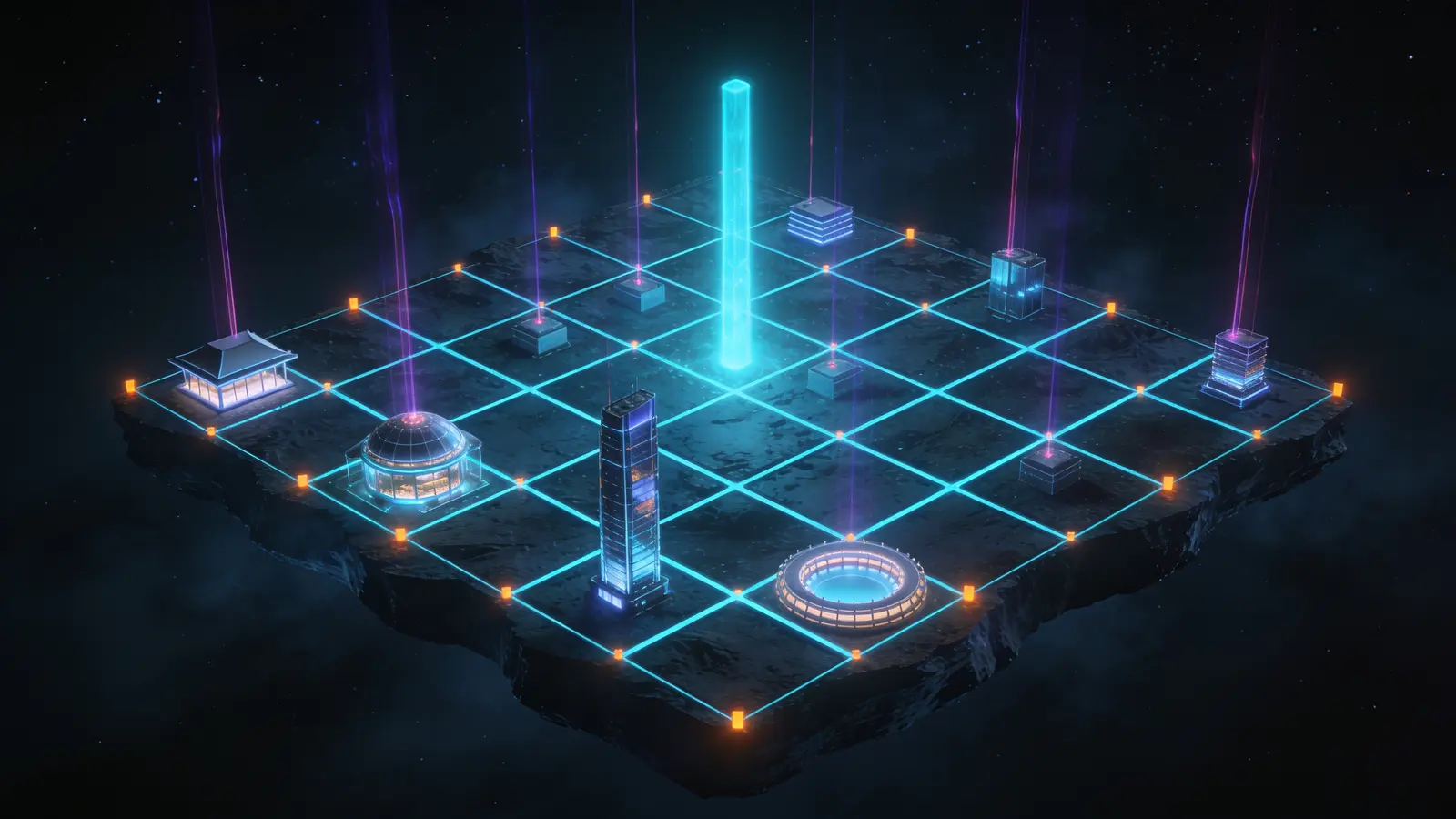
Why address-anchored land is its own asset class
Compare it to a purely synthetic world like Decentraland, where scarcity is defined by a fixed grid, or to XRPL-native land experiments that settle on the XRP Ledger. Neither is worse — they are different instruments. Address-anchored land is legible to people who have never touched Web3, because "I own a block in my hometown" needs no explanation. It also inherits real-world narrative risk and real-world sentiment, which synthetic grids do not.
If you are thinking about how any of these fit together, our primer on what digital real estate really is is the right companion piece.
Where Nexaria fits
We built Nexaria Digital for exactly this moment — when someone owns something virtual and needs a proper place to present it. On the marketplace you can list assets with multi-currency pricing so a buyer in Lagos and a buyer in Lisbon both see a familiar number, publish verified-purchase reviews that make strangers comfortable transacting, and earn a Verified Creator badge that travels with everything you list.
Property is only half the story. Next we look at what happens when owners start running businesses inside Upland.
This post is educational, not financial advice — always do your own research. Platform details come from the public pages linked above and may evolve; corrections are welcome at our contact page.