Otherside and Otherdeed: Yuga Labs' Bet on a Bigger World
Otherside is the most-watched world-building effort in NFT culture, and it arrived in an unusual order. Normally a game ships and then sells land. Otherside sold the deeds first, to a community that already existed, and has been building the world in public ever since.
What an Otherdeed represents
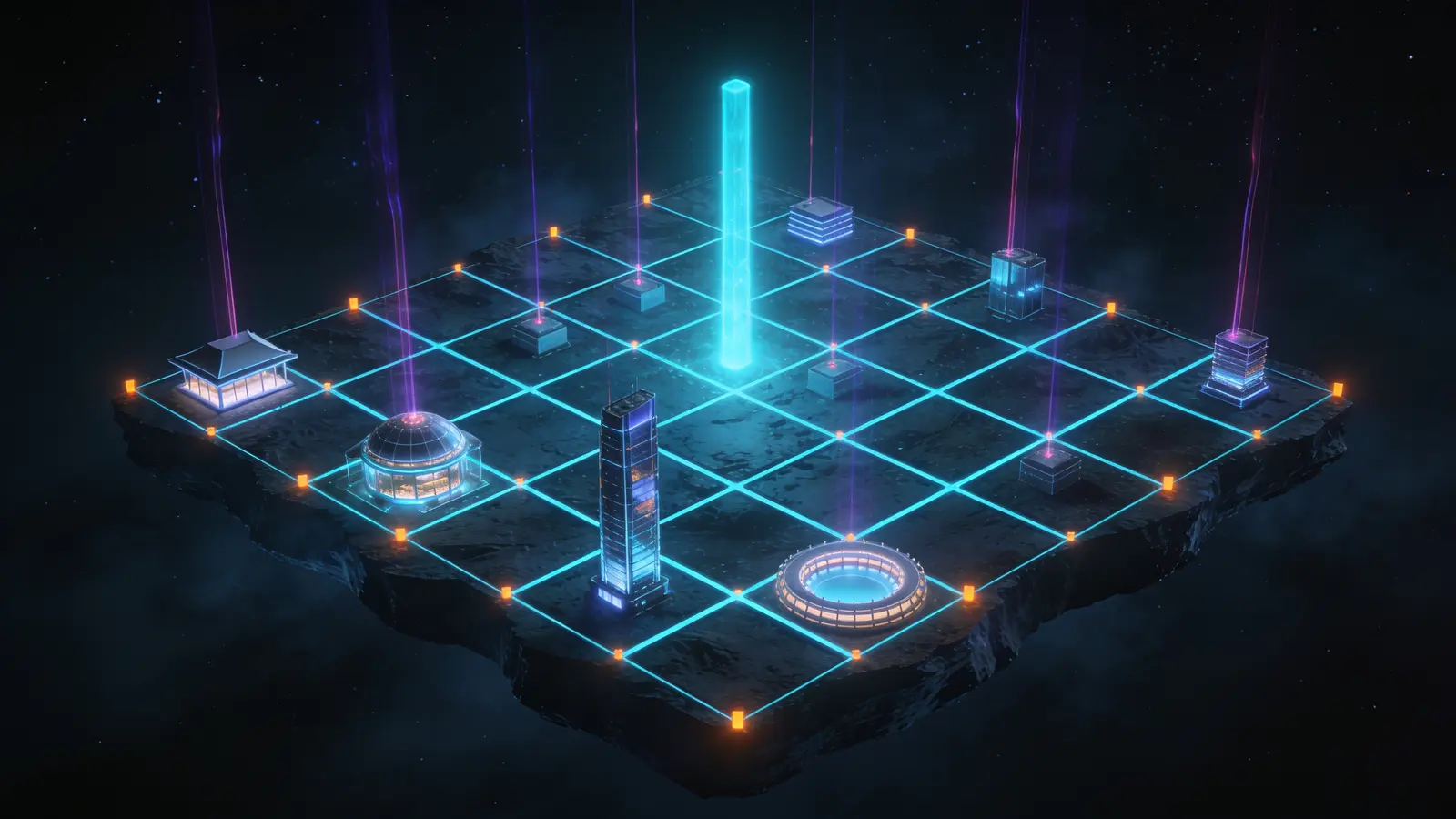
An Otherdeed is an NFT on Ethereum that represents a plot in the Otherside world. Each deed carries its own generated traits — environment, sediment, resources — so plots are not interchangeable squares but described places with characteristics. Some deeds are associated with a Koda, a creature tied to the land itself.
Two things follow. First, the deed is a claim on a specific location with specific properties, which makes the secondary market read more like geography than inventory. Second, the traits give the eventual world something to build systems on. Resources and biomes are the raw material of gameplay, not decoration.
Why Yuga Labs is a different kind of developer
Yuga Labs did not arrive as a game studio. It arrived as custodian of some of the most recognizable characters in the space — Bored Ape Yacht Club among them, alongside collections it later acquired. Otherside is where those characters were always heading: a world in which the profile picture you have used for years becomes something you can walk around inside.
That inverts the usual sequence. Most metaverse projects build a world then hunt for IP to populate it. Yuga started with the IP and the community. It is a different risk profile — the audience problem is solved, the engineering problem is not.
Interoperability as the stated ambition
The consistent public framing from @OthersideMeta and @yugalabs is that Otherside should host more than Yuga's own characters. The ambition — and it should be read as ambition and direction rather than a shipped guarantee — is a world where avatars, items, and identities from multiple collections can coexist, with technical work aimed at supporting large numbers of simultaneous participants in a shared space. ApeCoin sits alongside the ecosystem as its associated token.
Whether that fully lands is an open question, and honest coverage should say so. But the direction matters regardless: it is a bet that the metaverse's value comes from things crossing borders rather than staying home.
Where Nexaria fits
Cross-world ambitions create a practical problem — buyers need one trustworthy place to browse, verify, and buy the things that travel between worlds. Nexaria Digital is built around that job.
- Walkable 3D showrooms so a wearable or prop can be inspected before purchase, not guessed at from a thumbnail.
- Verified Creator badges and verified-purchase reviews to separate real work from copies.
- Scheduled drops with countdown pages for launches that deserve a moment.
- The adapter framework at /developers — plugging new worlds into a shared listing layer instead of rebuilding a storefront per platform.
New to land as an asset class? Start with what digital real estate is, then see the marketplace.
The takeaway
Otherdeeds are an unusual asset: a claim on a place in a world still being built, held by a community that predates the world itself. That is either backwards or brilliant, and time will tell which.
This post is educational, not financial advice — always do your own research. Project details come from public pages linked above and may evolve; corrections are welcome at our contact page.